

 ART GENERATOR

 EXPLORE


 TUTORIAL
How To
Learn how to use AnimeGenius AI tool with detail text & video tutorial.
Use Case
Find the hidden features of AI text-to-image generators and learn how to master AI for creative uses.
Prompt Guide
We provide detailed prompt tutorials to help you use AI like a pro

Parameter
Learn the usage of Stable Diffusion parameters and get more professional AI skills in generation.
Best Practices for Negative Prompts in Stable Diffusion
The purpose of this article is to explore the application of negative prompts in the process of stable diffusion image generation. We will introduce the concept of negative prompts, elucidate their role in stable diffusion, and provide some best practices to guide readers in effectively utilizing this method for more creative and unique image results.

What is negative prompts?
Negative prompts refer to text inputs that incorporate negations, oppositions, or contradictory elements, challenging a model to generate content contrary to typical expectations. In the context of image generation, such as with Stable Diffusion or other generative models, negative prompts encourage the model to produce results that deviate from standard or positive prompts.
For example, a positive prompt might be "a sunny day at the beach," while a negative prompt could be "not a sunny day at the beach." Negative prompts introduce a level of ambiguity, requiring the model to navigate contrary instructions and generate content that aligns with the negated elements.
The use of negative prompts in generative processes aims to diversify outputs, stimulate creativity, and explore unconventional possibilities in the generated content.
How to Write Effective Negative Prompts
When writing negative prompts, it is important to consider the following points:
- Use clear and concise language: Negative prompts should employ clear and concise language to ensure the model's understanding.
- Avoid ambiguous language: Negative prompts should steer clear of ambiguous language to prevent the model from generating inaccurate results.
- Avoid overly complex language: Negative prompts should refrain from using overly complex language to facilitate the model's comprehension.
Best Practices for Using Negative Prompts in Stable Diffusion
In AnimeGenius, experimenting with the use of negative prompts for creative purposes and showcasing the final contrasting results to enhance everyone's understanding of the role of negative prompts.
Please note that, in each practice of this process, all other variable parameters remain consistent except for the negative prompts. This ensures that the obtained results more effectively demonstrate the conclusions.
Practice case 1: Control the quality of generated images by negative prompts.
Same parameters:
- Prompts: (masterpiece), best quality, expressive eyes, perfect face, black girl
- Model: Comic Babes
- Size: 512 x 512
- Sampling Steps: 25
- Hi-Res: 1
- CFG Scale: 7
Comparison of Results:

negative prompts: Null
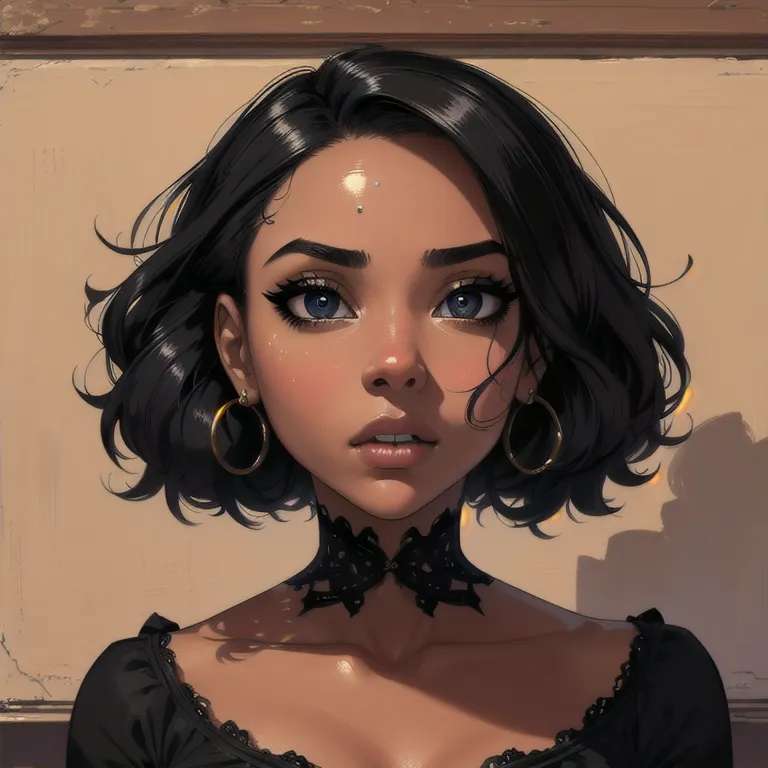
negative prompts: (worst quality, low quality:1.4)
Practice case 2: Avoid monochrome effects and low resolution with negative prompts
Same parameters:
- Prompts: (masterpiece), best quality, expressive eyes, perfect face, american blonde girl
- Model: Semi-Realitic
- Size: 512 x 512
- Sampling Steps: 25
- Hi-Res: 1
- CFG Scale: 7
Comparison of Results:
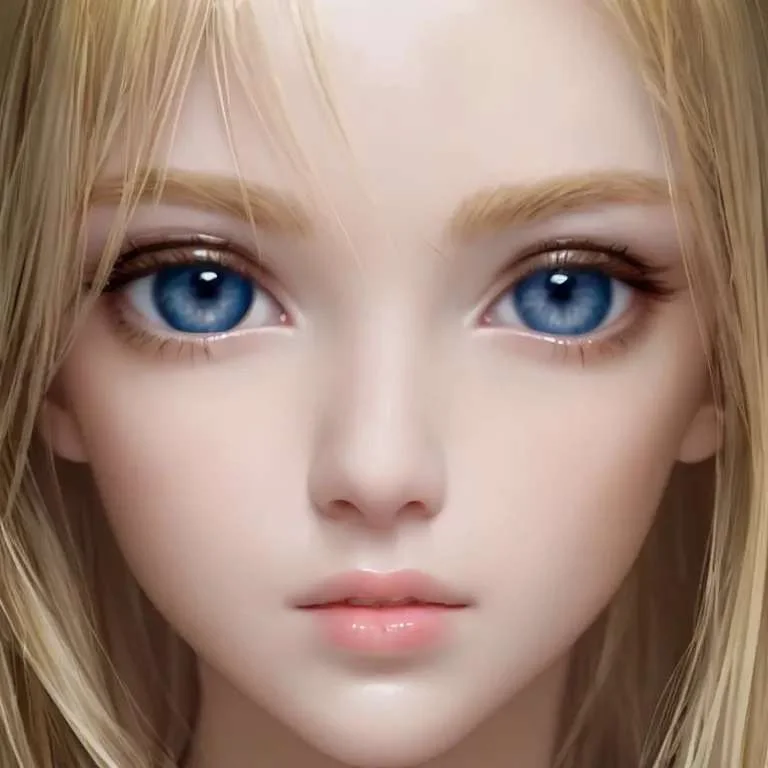
negative prompts: Null

negative prompts: (greyscale, monochrome:1.1), lowres
Practice case 3: Remove fog and ground moss to make the image brighter
Same parameters:
- Prompts: Beautiful dense forest, ultrarealistic, heroic fantasy landscape, sad colors
- Model: Anime
- Size: 512 x 512
- Sampling Steps: 25
- Hi-Res: 1
- CFG Scale: 7
Comparison of Results:

negative prompts: Null

negative prompts: (worst quality, low quality:1.4), fog, moss
Exploring the three practical cases mentioned earlier provides valuable insights into the significance of facial negation prompts. By now, you may have grasped their impact on generating diverse and expressive facial expressions. Don't miss the chance to immerse yourself in this fascinating experience on AnimeGenius!
Summary
In summary, utilizing negative prompts in Stable Diffusion is crucial for optimizing the generation of creative imagery. Paying attention to the use of clear and concise language ensures the model's accurate understanding, while avoiding ambiguity helps prevent unintended outcomes. Additionally, steering clear of overly complex language contributes to enhancing the model's comprehension. By following these best practices, we can fully harness the potential of negative prompts in the Stable Diffusion image generation process to unlock diverse and imaginative results.